Pregnancy – Future Daddy
A Designer’s First Look: Warm, Clear, and Just Right for the Moment
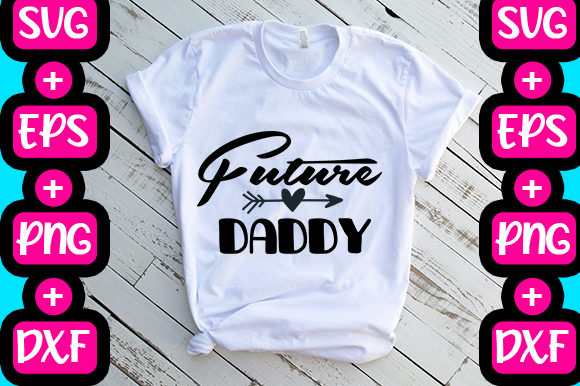
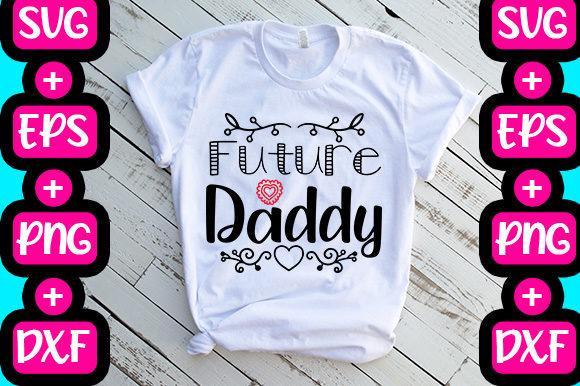
When I opened Pregnancy – Future Daddy, I didn’t see just another baby-themed graphic—I saw a quiet, confident tone. It’s clean-lined, centered, and gently celebratory—not cutesy, not clinical, but warmly human. The phrase “Future Daddy” sits comfortably within a soft circular or oval motif (depending on the version), with subtle decorative elements—maybe a tiny heart, a single sprig, or minimalist line art—that support without overwhelming. This isn’t a design shouting for attention; it’s one that invites a smile, a nod, a pause. That makes it ideal for real-life embroidery projects where sincerity matters more than flash: a dad-to-be’s first sweatshirt, a nursery pillow cover, or a custom apron for the new parent who cooks to calm nerves.
Where It Shines in Real Embroidery Work
I tested Pregnancy – Future Daddy as part of a small-batch embroidered tote bag series for a local maternity boutique—and it landed beautifully. On medium-weight canvas, with a light tear-away stabilizer and 40-weight polyester thread, the lettering stayed crisp, the curves stitched smoothly, and the overall scale (roughly 3.5" wide) gave breathing room without feeling sparse. It performed equally well on cotton-jersey sweatshirts—no puckering, no skipped stitches—because the layout avoids tight corners, dense fill areas, or ultra-thin connecting lines that often trip up satin stitch runs.
This design fits naturally into several high-value handmade categories: custom apparel (especially unisex or menswear-leaning pieces), embroidered patches for onesies or denim jackets, baby embroidery accents on burp cloths or swaddle blankets, and even holiday embroidery like Father’s Day tea towels or kitchen linens. As a digital embroidery file, its clean vector-based structure (SVG, EPS, DXF) means it scales cleanly for both small hoop applications—think cap fronts or pocket-sized patches—and larger formats like pillow covers or wall hangings.
Where to Pause—and Why
That said, Pregnancy – Future Daddy isn’t universally plug-and-play. On stretchy fabric like ribbed knits or lightweight t-shirts, I recommend switching to a cut-away stabilizer and slowing stitch speed by 15–20%—the text clarity holds, but the outer shape can shift slightly if tension isn’t dialed in. For dark fabric, test your thread colors carefully: light grays or creams read softly but elegantly, while stark white can look harsh unless balanced with a tonal underlay. And on textured fabrics like terry cloth or heavy linen, avoid placing it over seams or high-relief areas—the design’s gentle curves don’t disguise uneven surfaces the way bolder, blockier fonts might.
It’s also not ideal for tiny hoop sizes under 3". The spacing between letters and decorative elements is intentional and legible at scale—but shrink it too far, and you lose warmth and readability. Likewise, skip using it on curved surfaces like baseball caps unless you’re confident in your digitizing adjustments or have access to a cap frame. The original layout assumes a flat, stable surface.
What It Adds to Your Finished Product—Beyond Stitching
Pregnancy – Future Daddy elevates perceived value because it feels intentional, not generic. Customers notice when a design doesn’t look like every other “Baby on Board” clipart file—they feel seen. That translates directly to customer trust, especially for Etsy sellers and craft fair vendors offering personalized gifts. When paired with quality stitching and thoughtful presentation (a branded tag, a handwritten note), this design helps position your handmade product as heartfelt rather than hurried.
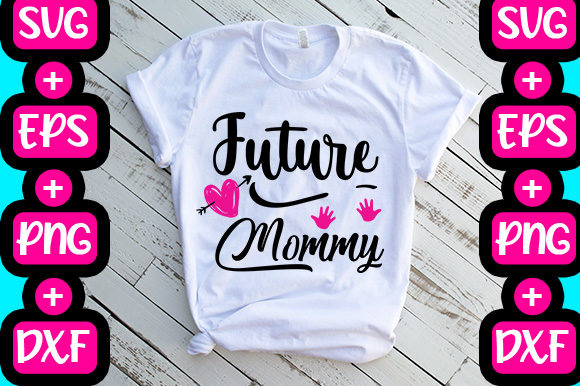
For small shop owners building brand consistency, it’s versatile enough to anchor a mini-collection: pair it with matching “Future Mom” or neutral “Welcome Little One” files, and you’ve got cohesive design assets for baby shower bundles, nursery decor sets, or gender-reveal merch. Its restrained aesthetic also photographs well in printable mockups, making digital previews feel authentic—not pixelated or overly stylized.
Practical Notes Every Embroidery Designer Should Check
- Test first—always run Pregnancy – Future Daddy on scrap fabric matching your final substrate, stabilizer, and thread combo.
- Review stitch density—this isn’t a high-fill design, but confirm no overlapping satin columns or thin running-stitch outlines that could snag during wear or washing.
- Confirm hoop size compatibility—if your machine uses smaller hoops (like 4x4"), verify the largest version fits comfortably with ¼" margin.
- Inspect small details—zoom in on any heart motifs or fine lines in the vector files. Not all SVG exports translate cleanly to embroidery software without minor cleanup.
- Check licensing—since this is sold as a Graphics file set (not a pre-digitized machine embroidery design), confirm whether commercial use rights extend to selling finished embroidered items or reselling the digital files themselves.
- Mock it in black and white—many buyers view products on mobile screens. If the contrast fades or detail blurs in grayscale, adjust thread choice or simplify background layers.
A Thoughtful Fit for Real Creative Work
Pregnancy – Future Daddy won’t wow with complexity—but it doesn’t need to. Its strength lies in clarity, emotional resonance, and adaptability across craft business contexts: from a solo embroiderer stitching holiday gifts for friends, to an Etsy seller scaling a line of dad-focused baby apparel, to a boutique owner curating meaningful small shop product collections. It works because it respects the moment it represents—joyful, grounded, and quietly proud. Use it with intention, stabilize thoughtfully, and let the simplicity speak. That’s how good embroidery project choices become trusted finished product standards.