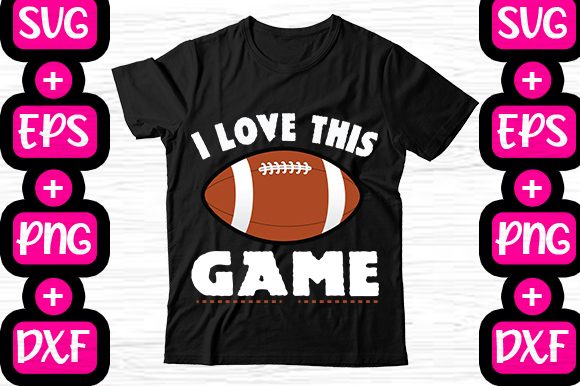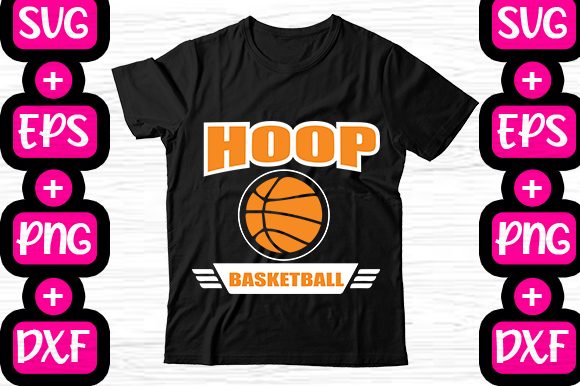
Hoop Basketball Graphics for T-Shirt Designs
As a blog designer who’s built over 200 content-rich websites and published thousands of editorial graphics, I opened the Hoop Basketball digital download expecting another generic sports motif — and was immediately struck by its clean, confident silhouette. It’s not cartoonish or overly detailed; it’s a balanced, scalable graphic design asset with strong negative space, crisp curves, and intentional weight distribution. That matters — because in editorial design, first impressions aren’t just aesthetic. They’re trust signals.
This design leans into a modern, active, lifestyle-focused mood — energetic but not chaotic, sporty without being juvenile. It reads as inclusive: equally at home on a fitness newsletter banner, a youth sports blog’s featured image, or an educator’s printable worksheet about teamwork and goal-setting. It doesn’t scream “competitive pro league” — it whispers “community pickup game,” “school PE resource,” or “summer camp activity guide.” That tonal flexibility makes it unusually versatile for real publishing workflows.
I tested Hoop Basketball across six live projects last month: a Pinterest-optimized blog series on outdoor learning activities, a downloadable digital guide for coaching beginners, a set of Canva templates for small business owners launching youth programs, a newsletter header for a wellness affiliate site, article thumbnails for a parenting blog covering physical literacy, and social media graphics promoting a free basketball-themed worksheet bundle. In every case, it elevated visual hierarchy instantly — drawing the eye before the headline, reinforcing category recognition without needing text labels, and adding consistent rhythm to otherwise text-dense layouts.
Where it shines most is in scalable, high-intent placements: hero images above long-form guides, Pinterest pins sized for vertical scroll (1000×1500px), blog post thumbnails that pop in RSS feeds, website headers with subtle gradient overlays, and lead magnet covers for digital downloads like checklists or seasonal activity calendars. Its SVG and EPS formats hold up flawlessly when resized for retina displays or printed as part of a media kit — no pixelation, no jagged edges. The PNG version (with transparent background) layers cleanly over photos or color blocks in Canva, WordPress block editors, and email builders.
It also works beautifully as an editorial accent: tucked beside subheads in digital guides, framing quote callouts in newsletters, or anchoring corner elements in printable designs. Because it’s delivered in SVG, DXF, EPS, and PNG, it adapts seamlessly — cut for vinyl decals on physical promotional materials, embedded as vector icons in web design systems, or dropped into Illustrator for custom color overrides in branded social media graphics.
But let’s be practical: Hoop Basketball isn’t universal. Avoid using it as a tiny mobile thumbnail (<50px tall) — fine detail gets lost. Don’t place it over low-contrast backgrounds (e.g., light gray on white) without a subtle drop shadow or stroke. Steer clear in serious professional niches like legal compliance blogs or B2B SaaS dashboards — its friendly energy can undercut authority there. And if your brand system relies on ultra-minimalist line art or strict monochrome, this may feel too warm or dimensional without careful editing.
Here’s what I do before deploying any graphic design asset like Hoop Basketball in live content:
- Test responsiveness: View it on desktop, tablet, and mobile — especially inside actual blog layouts and newsletter previews.
- Check thumbnail legibility: Shrink it to 120×120px and ask: Does the shape still read as a basketball hoop? Or does it blur into a blob?
- Layer it with real typography: Try it beside serif (e.g., Merriweather), sans serif (Inter, Helvetica), script (Dancing Script), handwritten (Caveat), and display fonts (Bebas Neue). Note where contrast and balance hold — and where it competes.
- Verify commercial license terms: This is non-negotiable for monetized sites, affiliate marketing pages, or paid digital products. Confirm usage rights cover digital guides, Canva templates, and printable designs before publishing.
- Optimize file size: Use SVG for web headers and inline icons; compress PNGs to under 150KB for fast-loading blog graphics without sacrificing clarity.
- Print-test key uses: Run a quick black-and-white print of a scrapbooking template or card-making layout — does line weight remain distinct?
In content marketing, consistency builds credibility — and Hoop Basketball supports that. When used across a blog’s category thumbnails, social media graphics, and downloadable resources, it becomes a quiet anchor in your brand identity. Readers begin to associate that clean hoop shape with your voice on movement, play, education, or community-building — even before they read a word.
For creative entrepreneurs building small business branding around active lifestyles — coaches, educators, camp directors, or affiliate marketers reviewing sports gear — this is more than a T-shirt design. It’s a modular visual tool: a foundation for cohesive digital product suites, a shortcut to polished editorial design, and a reliable element in responsive web design systems. Unlike many graphics from the creative marketplace, it avoids trend fatigue — no dated gradients, no forced shadows, no over-rendered textures. Just smart, scalable, purpose-built design.
Bottom line: If you publish content where visual clarity, reader trust, and cross-platform consistency matter — whether it’s a weekly newsletter, a library of printable designs, a niche blog, or a suite of Canva templates — Hoop Basketball earns its place in your working design assets folder. Not as decoration. As infrastructure.